
Arrest Warrants in Denver County
An arrest warrant commands custody. It is a judge's written order naming a person for arrest, and it does not issue on a hunch. Under Colorado Rule of Criminal Procedure 4, a felony complaint must rest on sworn facts showing probable cause. That standard means a reasonable legal basis to think an offense occurred. It must also point to this person. A judge then weighs the complaint. The judge may pick a summons instead. A warrant from a court of record goes to a peace officer, and Denver County Court also reviews arrest and search warrants for the Second Judicial District. The exact issuing court and underlying case determine what Denver County residents can see and which clerk can confirm the next step.
Denver County Probable-Cause Review
The warrant process keeps the police request separate from the judicial decision. Officers or prosecutors supply sworn material. A judge tests that material against the legal standard before any arrest process may issue. Public examples should use general fields only. Real affidavits differ. Victim, witness, home-address, medical, and other protected details can appear inside sworn statements. A warrant can also exist before the docket shows much, and sealed filings, a new order, or juvenile limits can restrict Denver County access. That is why the DCC public-access rules and the issuing clerk matter. Public access reaches eligible records. It is not every fact in the file.
What a Denver County Arrest Warrant Contains
A helpful record names the court, case, warrant type, issue date, and current status. It may also show the charging document, bond terms, judicial officer, next hearing, or service event. Not every view shows each field. A synthetic Denver County number such as 2026-CR-01234 shows format alone. It publishes no real person's record.
| Case or Warrant Number | Stable identifier for portal and clerk requests |
|---|---|
| Named Subject | Identity fields used for an exact match, not republication |
| Charge or Offense | Alleged count tied to the initiating document |
| Issuing Judge or Court | The authority that controls the warrant |
| Bond | Cash, PR, surety, conditions, or judicial-officer review |
| Status and Date | Issued, active, served, recalled, canceled, or quashed |
Denver County Police Verification
The DPD Operations Manual supplies the key local safeguard. Denver 911 NCIC keeps the central want and warrant file. Officers must verify an entry before booking. Identity gets confirmed through approved agency processes. After a probable-cause warrant checks out, a Unified Summons and Complaint may be served, and a CCIC cancellation or a locate message to the originating agency changes the operational response.
That manual sets procedure. It is not a public lookup. CCIC and NCIC are restricted criminal-justice systems, so no Denver County resident should treat an unofficial listing, a similar name, or an old printout as the final answer.
How Denver County Arrest Warrants Are Served
Denver Police may serve a verified warrant. So may other authorized peace officers. The Denver Sheriff Department then handles detention, court security, transport, extradition, and fugitive functions. It publishes no complete warrant database. Service can occur during lawful police contact or a planned surrender. After an arrest, booking, identity checks, bond review, and the first court appearance depend on the warrant and case. Verification comes first. DPD procedure requires a Denver 911 NCIC check before booking. That safeguard matters when names resemble each other or a court just changed a status. The originating agency may send a cancellation or a locate. Portal timing can lag the restricted operational record, so Denver County confirmation should guide any surrender plan.
Denver County Arrest Record Limits
A DPD arrest record is not the warrant itself. It is also not the final court outcome. DPD says arrest records can include the person's name, arrest dates, initial charges, fingerprint classification, and booking numbers. Charges at arrest may later change or be dismissed. The court register of actions supplies the real case result. The blank DPD-241A request form shows subject, requester, record type, payment, and mailing fields.
The form illustrates a scoped request. It reveals no personal data. DPD's in-person police-clearance query checks active warrants only in Denver and excludes juvenile arrests and Denver Summons to Appear, so a Denver County resident gets a limited own-record service, not a statewide search.
Arrest Warrant vs Summons vs Bench Warrant
These three tools call for different responses. An arrest warrant commands custody after probable-cause review. A summons tells the person to appear. A bench warrant usually follows a missed duty in a case already before the court, and the companion explanation of Denver County bench warrants covers recall and missed-court steps.
| Feature | Arrest Warrant | Summons | Bench Warrant |
|---|---|---|---|
| What It Orders | Arrest after verification | Appearance on a stated date | Arrest for a missed duty |
| Basis | Probable cause | Charge handled without initial custody | Failure to appear or comply |
| Issuer | Judge or authorized court | Court or authorized officer | Judge in an existing case |
| Response | Counsel, surrender, bond, hearing | Attend as directed | Recall, bond, or appearance |
Denver County Courts Divide Access
Denver County runs one city-county government with four constitutionally separate courts. Denver County Court handles municipal cases, state misdemeanors, traffic matters, felony advisements, and preliminary hearings. Denver District Court handles felonies. Juvenile Court records get special protection. Probate Court is not an ordinary criminal-warrant court, and the DCC court page adds municipal and court-program context.
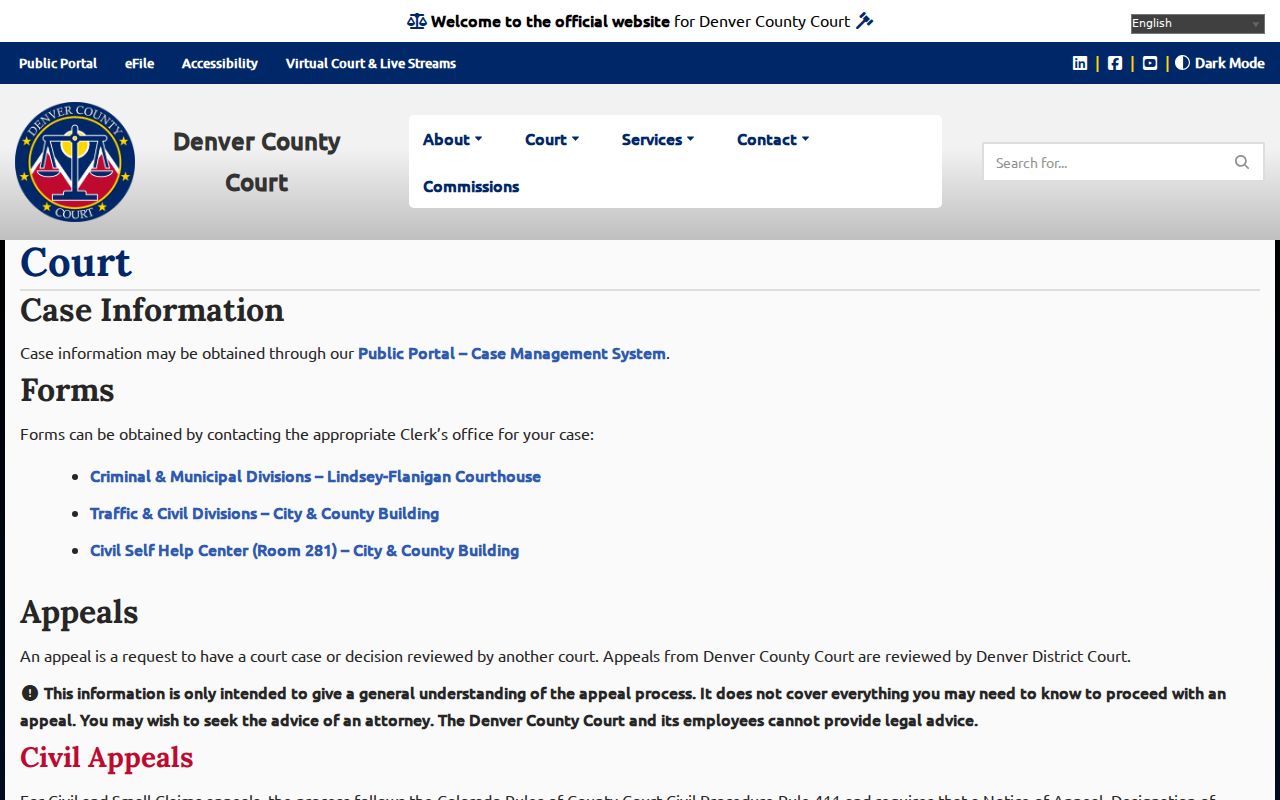
That page routes County Court matters. A felony arrest warrant still needs the District Court path. No DCC portal result can clear a person on juvenile, another-county, or federal process in Denver County.
Denver County Federal Warrant Boundary
Federal arrest warrants sit outside Denver County Court's reach. The U.S. District Court for Colorado handles them. Its clerk, your counsel, and the U.S. Marshals Service are the proper federal channels. PACER is the official federal docket system. A Denver County portal, a DPD clearance response, or a DSD custody search will not answer a federal question. The reverse holds too. A federal docket entry says nothing about a local DCC matter. Before acting, confirm the sovereign, the court, the case number, and the source date. If the court type is unclear, counsel can identify the right clerk without making unsafe promises about surrender or bond.
Key point: Denver County, Colorado state, and federal arrest warrants use separate custodians even when their courthouses are close together.
What to Do If There's a Warrant for You
Confirm any warrant through an official Denver County court or agency channel first. Match the exact identity, case, and issuing court. Then ask counsel or the clerk whether surrender, bond, a first appearance, or another court order fits. Posting bond secures appearance and addresses custody. It does not dismiss the case or satisfy every condition.
- Record the case number, court, warrant label, and source date.
- Call the issuing clerk through its published contact page.
- Ask counsel about surrender timing, bond, and the first appearance.
- Complete only the process authorized for that case.
- Keep bond papers, orders, receipts, and the next hearing notice.
Important: Speak with a lawyer before surrender when possible. A verified active warrant can lead to arrest during lawful police contact.
Denver County Counsel and Contacts
Denver County defendants can reach the Colorado State Public Defender's Denver office at 1560 Broadway, Suite 300. It lists 303-620-4999 and 303-764-1400 for applications. Appointment depends on eligibility and jurisdiction. So the contact promises neither representation nor private cancellation of an arrest warrant. Court business goes to the DCC contact page. It places the criminal clerk in Room 160 at Lindsey-Flanigan Courthouse and the Bonding Office at Van-Cise Simonet, and its hours can change.
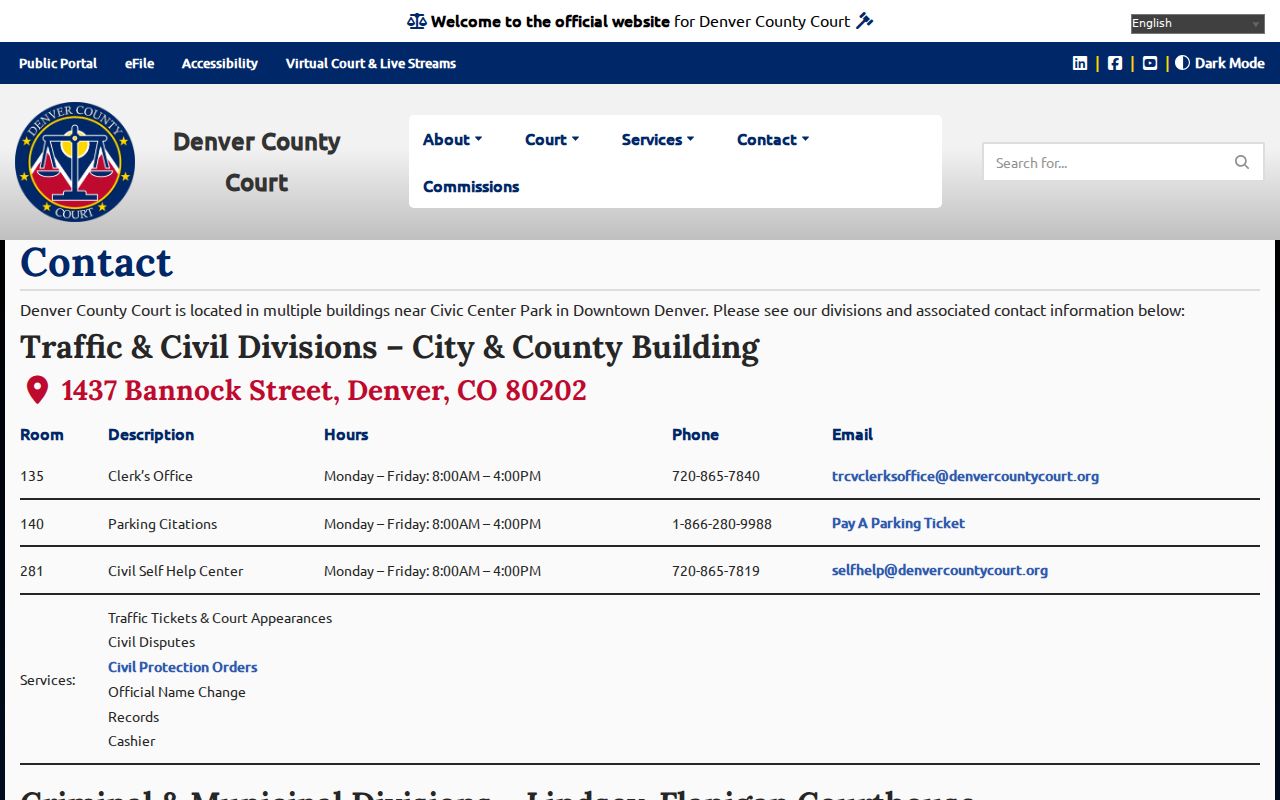
Those location blocks show why a criminal clerk question, a bond question, and an in-custody question may land at different counters. Check the live page before traveling. Denver County has also seen scam calls. Callers demanding money for a warrant are not the court. The Denver warrant scam warning notes that courts and agencies never call to collect fines or demand telephone payment. Find the court number yourself.