
How to Check for a Warrant in Denver
Denver works as both a city and a county. That shared government still keeps its courts separate. Denver County Court's Criminal Division hears municipal criminal cases plus state misdemeanors. Miss a required appearance, and a judge may issue a bench warrant. Local records use a few labels for the same thing: "bench warrant," "warrant for arrest," "outstanding warrant," and the portal phrase "address warrant." Denver does not use capias as its standard public term. Keep the facts apart, too. The charge, the appearance history, the warrant status, and the final result are separate entries, and a protection order is not an arrest warrant, though Denver's Bonding & Warrants Division holds both categories. Read the court record and confirm the exact label before you act on it.
Denver Warrant Terms After Reform
Colorado Senate Bill 25-062, signed April 17, 2025, bars failure to appear from serving as the basis of a municipal criminal charge, and it cleans up municipal failure-to-appear language tied to contempt. It does not end the duty to show up for court. Nor does it cancel a Denver County municipal court warrant or wipe away every consequence of a missed setting.
- FTA
- Failure to appear at a required court event.
- Bench warrant
- Court process tied to a missed appearance or violation of an order.
- Recall
- An issuing-court act that changes the warrant status.
- Address warrant
- Denver portal wording for an eligible bond route, not a full public roster.
Pull the Denver docket first. Then ask the criminal clerk what the judge requires in that case, since requirements vary.
Denver Police and Municipal Court
Denver County has one incorporated city profile, no more. The City and County of Denver is consolidated, so nearby cities and Denver neighborhoods are not extra municipalities inside the county. Denver County Court keeps the local municipal docket and stays separate from District, Juvenile, and Probate Courts.
| City | Municipal Court | Warrant Types | Phone |
|---|---|---|---|
| Denver | Denver County Court | Municipal criminal, traffic, state misdemeanor, and related court process | 720-337-0410 |
Denver's criminal and municipal clerk sits in Room 160 at Lindsey-Flanigan Courthouse, 520 W Colfax Ave, open Monday through Friday, 7:30 a.m. to 4 p.m. Check the current contact page before you go.
Denver Court Portal Limits
The Denver court-services page routes you to records, clerk help, copies, phone, and fax. It is not a warrant list for every person. A case search may find a Denver case. The bond search covers only matters eligible for online bonding, so a blank result does not prove there is no municipal warrant. The public-access page shows why case numbers and document limits matter. Review Denver County Court's official warrant scam warning.
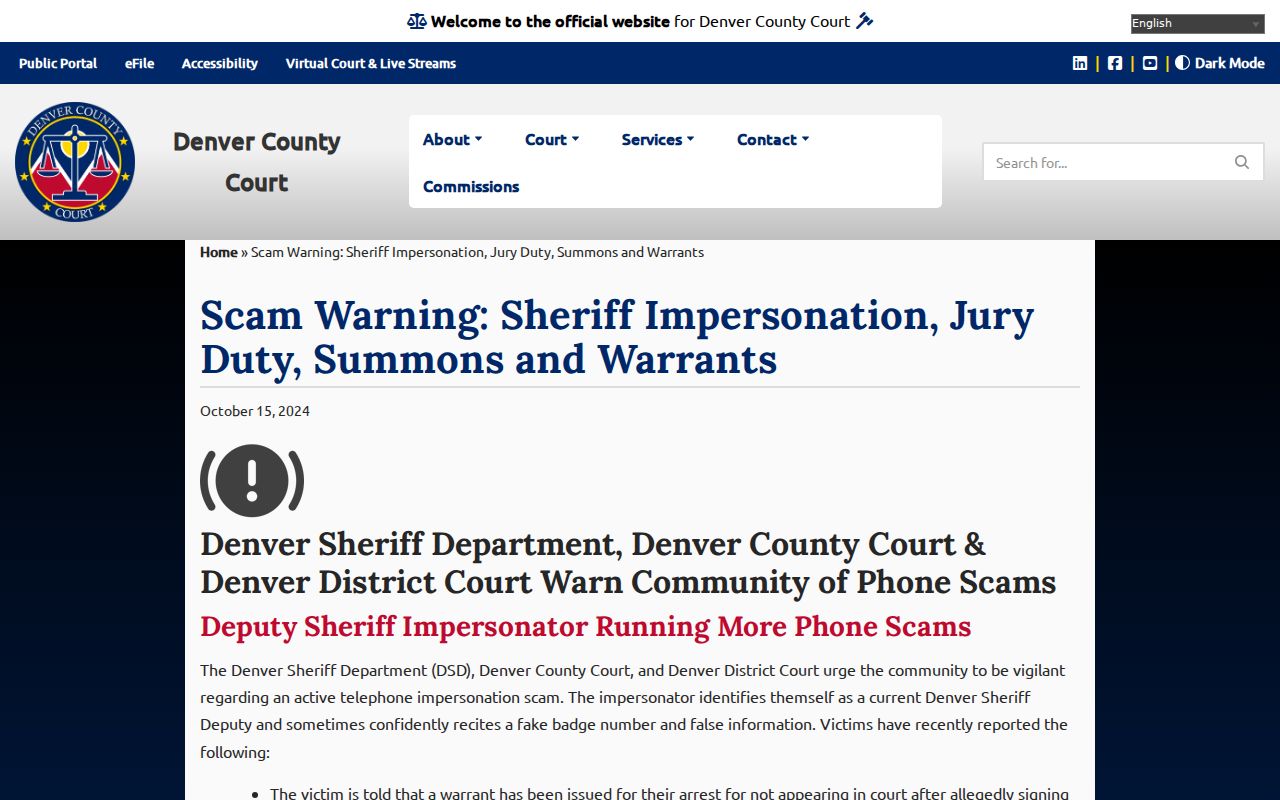
When the public portal cannot confirm a warrant status, the Denver clerk or a scoped record request is the answer.
Types of Denver Warrants
Use whatever Denver County channel fits the known case. Match court, case number, birth date, and case type before trusting a similar name.
- Open the DCC Public Portal and use case or docket tools if a case number or arrest booking number is known.
- Try Post Bond - Address Warrant with name and date of birth, or a case number. It returns online-eligible bond records only.
- Call the criminal and municipal clerk at 720-337-0410, or visit Room 160, if the portal cannot confirm the next step.
- Request an existing record through the DCC CCJRA channel. Fees, redactions, and case-number rules apply.
- Route felony, juvenile, and federal matters to their separate court or counsel. DPD and DSD internal warrant files are not public search tools.
Felony cases sit with Denver District Court, and juvenile access is restricted. Colorado offers no statewide public warrant portal.
Three Denver Warrant Buildings
One Denver municipal record can point to three downtown stops. Which site you need depends on the matter: criminal, traffic, or bond.
Criminal and Municipal Clerk
Room 160, Lindsey-Flanigan Courthouse
720-337-0410
Traffic and Civil Clerk
Room 135, City & County Building
720-865-7840
Bonding Office
First floor, Van-Cise Simonet
720-337-0062
The Bonding Office sits at 490 W Colfax Ave. Its listed public hours differ from clerk hours, so confirm before you travel. That building-to-building split is one Denver reason a single portal tile cannot settle every warrant question.
What a Denver Warrant Record Shows
Read a Denver County case as a set of fields, not one label by a name. Some fields stay sealed, restricted, or closed to public access.
| Case number | A stable identifier, such as synthetic 2026-GS-01234, used for clerk requests. |
|---|---|
| Warrant label | Bench, arrest, address, municipal, traffic, or the court's exact term. |
| Issued date and court | The date and issuing Denver court when public. |
| Status | Active, served, recalled, canceled, quashed, or another source term. |
| Bond | Cash, personal recognizance, surety, amount, conditions, or judge review. |
| Next hearing | Room, time, event, and docket status. |
| Access limit | A seal, juvenile rule, protected data, or restricted justice-system field. |
Initial charges on a Denver case can change as it moves forward, so check the court record for the later result.
Denver Outreach Court Path
Denver Outreach Court opened in 2016 as a community setting where eligible people experiencing housing instability can address municipal citations or warrants while linking up with services. Denver County Court reported 414 cases resolved for 202 people in 2024, and every participant was connected to services. Those dated numbers are no promise that a current warrant qualifies. Locations and schedules can shift, and community service may be part of the process, but Outreach Court is not a blanket amnesty. Confirm eligibility with the official program and follow the issuing judge's directions. Note: Court resolution, service connection, diversion, payment, and bond are separate mechanisms even when Denver agencies coordinate them.
Resolving a Denver Warrant
Payment alone rarely fixes things. In Denver, the remedy depends on the specific municipal court warrant and case. Paying may not recall the warrant, dismiss a charge, meet another sentence term, or clear an unrelated case.
- Confirm the issuing court, case number, status, and required act with the clerk or counsel.
- Ask whether online bond, in-person bond, a personal-recognizance bond, a court appearance, or a recall motion applies.
- Use the official portal or Bonding Office only after matching the case. A judge may need to set bond.
- Attend the next hearing and comply with each separate court term.
- Keep receipts, bond papers, orders, and clerk instructions, then confirm the updated status.
Warning: Denver courts and agencies do not call to demand warrant or bond money by telephone. Verify through a published court number.
Public Access to Denver Warrant Records
The Denver AID Center in Denver serves people with certain low-level, nonviolent state or municipal offenses on a walk-in and referral basis. The address is 1370 Elati St. Call 720-865-5981. Hours run weekdays from 8 a.m. to 5 p.m. No ID is required. The center performs no background check and does not ask about citizenship. None of that clears a warrant by itself. Eligibility depends on the offense, and the center is neither a public warrant search nor an automatic recall office, so anyone with a Denver municipal warrant should confirm eligibility and the court's required step. The official AID Center page lists its location, hours, and service facts. For direct help, the Denver AID Center is the place Denver points to for these low-level cases.
The service image documents an eligibility-based city resource, not a warrant-clearing promise.
Denver Warrant Records by the Numbers
Denver County Court's 2024 report logged 26,606 warrant entries. Clearances totaled 19,861. The year-end count of 52,146 outstanding warrants and protection orders blends categories, so it is not a tally of criminal warrants or of people. Treat it as a dated inventory rather than today's live status.
Denver logged 3,646 online bonds in 2024. In-person bonds totaled 10,546. Online bonding began in 2022 and expanded to professional sureties in 2024, though that local change does not make every Denver warrant eligible online. The 2024 Citizen Oversight Board report adds context on warrant-clearing events.
The report is historical oversight evidence, not notice of a current universal event.
Where Denver Warrants Fit With Denver County
City and county government are consolidated in Denver. Denver therefore gets one city profile here. The roles stay distinct. Denver County Court issues and maintains many warrants, Denver Police verifies records through Denver 911 and NCIC, and the Denver Sheriff manages detention, court security, transport, extradition, and fugitive work.
Warrant flow: Denver court › Denver Police verification or Denver Sheriff custody › restricted state and national justice systems.
District felony, Juvenile, Probate, and federal matters sit with other custodians, and the Denver County warrant records overview maps that wider boundary. PACER's official fee page documents the separate federal route.
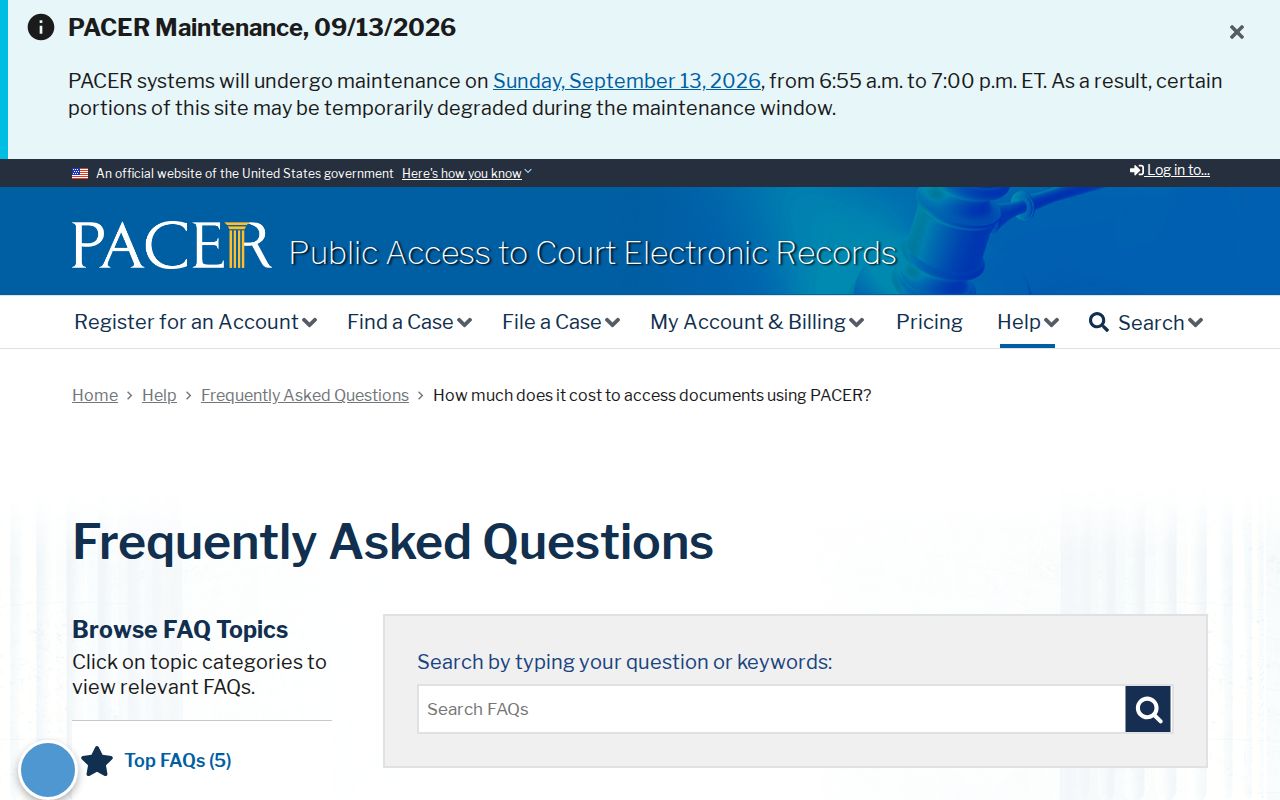
That federal interface belongs only to a federal case, so it cannot replace a warrant check with the Denver city court.
Denver Population and Warrant Scale
Denver is both huge and singular. Census QuickFacts counted 715,522 residents in the 2020 Census and posts a 2025 estimate of 740,613. The consolidated city-county spans 153.08 square miles. Size alone does not multiply jurisdictions. No Denver neighborhood creates its own municipal warrant system. Denver Police Administration sits at 1331 Cherokee St. General information is 720-913-6010. The non-emergency line is 720-913-2000. DPD does not open its Denver 911/NCIC file to public search, so court and published agency routes remain the practical ones. One Denver resident may need several custodians. County Court records, District Court felony files, Sheriff custody records, Police agency records, and federal dockets each answer a different question. Start from the known case number or court. When the source is unclear, ask a Denver County Court clerk which system owns the case before paying a fee, posting bond, or trusting a portal result. Keep the clerk's instructions, the case identifier, each receipt, and any new hearing notice. Those records show whether the court finished a recall, accepted a bond, or set another required appearance.